
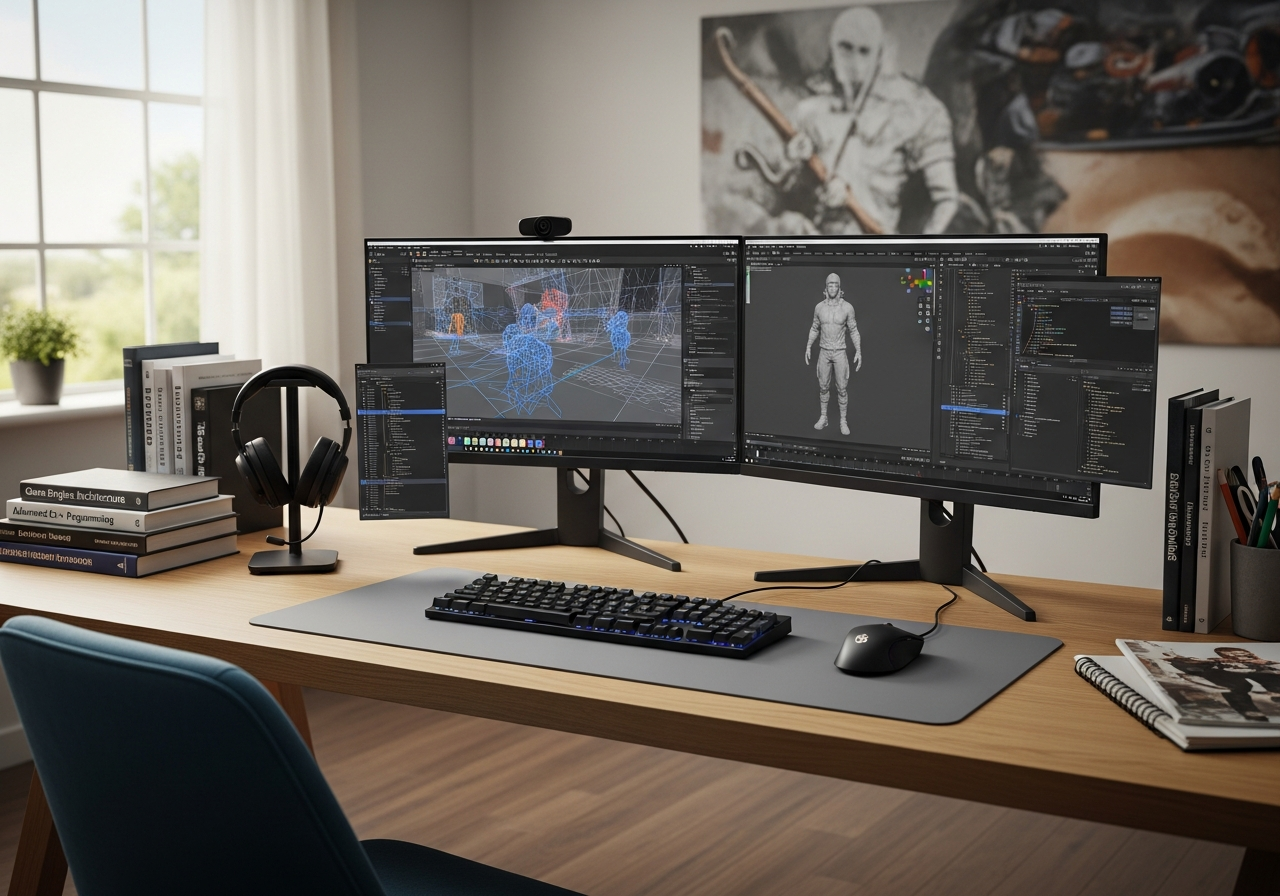
Choosing the right Canadian game development program means understanding how Unity and Unreal Engine are woven into your curriculum. Canadian schools take distinct approaches to engine training—some prioritize Unity’s accessibility for rapid prototyping, others dive deep into Unreal’s AAA-quality visuals, and many blend both strategically across different terms.

The Role of Mentorship Programs in the Independent Film Scene
Toronto stands as one of North America’s most vibrant hubs for independent filmmaking, with a thriving ecosystem that produces everything from experimental shorts to festival-bound features. Yet beneath this creative energy lies a complex web of industry challenges that can make or break emerging filmmakers: limited access to professional equipment, scarce funding opportunities, gatekept networks, and the persistent struggle to transform workshop knowledge into sustainable careers. For many talented creators, especially those from underrepresented communities, these barriers can feel insurmountable.

How Provincial Grants Support Low-Income Creative Students
Low-income creative students in Canada face unique financial challenges that extend far beyond standard tuition costs. These students—typically pursuing degrees in visual arts, music, theatre, creative writing, film, and digital media—must navigate expenses for specialized equipment, studio materials, portfolio development, and often unpaid internships that are essential for career advancement. Unlike traditional academic programs where textbooks represent the primary additional cost, creative disciplines demand ongoing investments in professional-grade tools, software, exhibition fees, and networking opportunities that can easily exceed thousands of dollars annually.
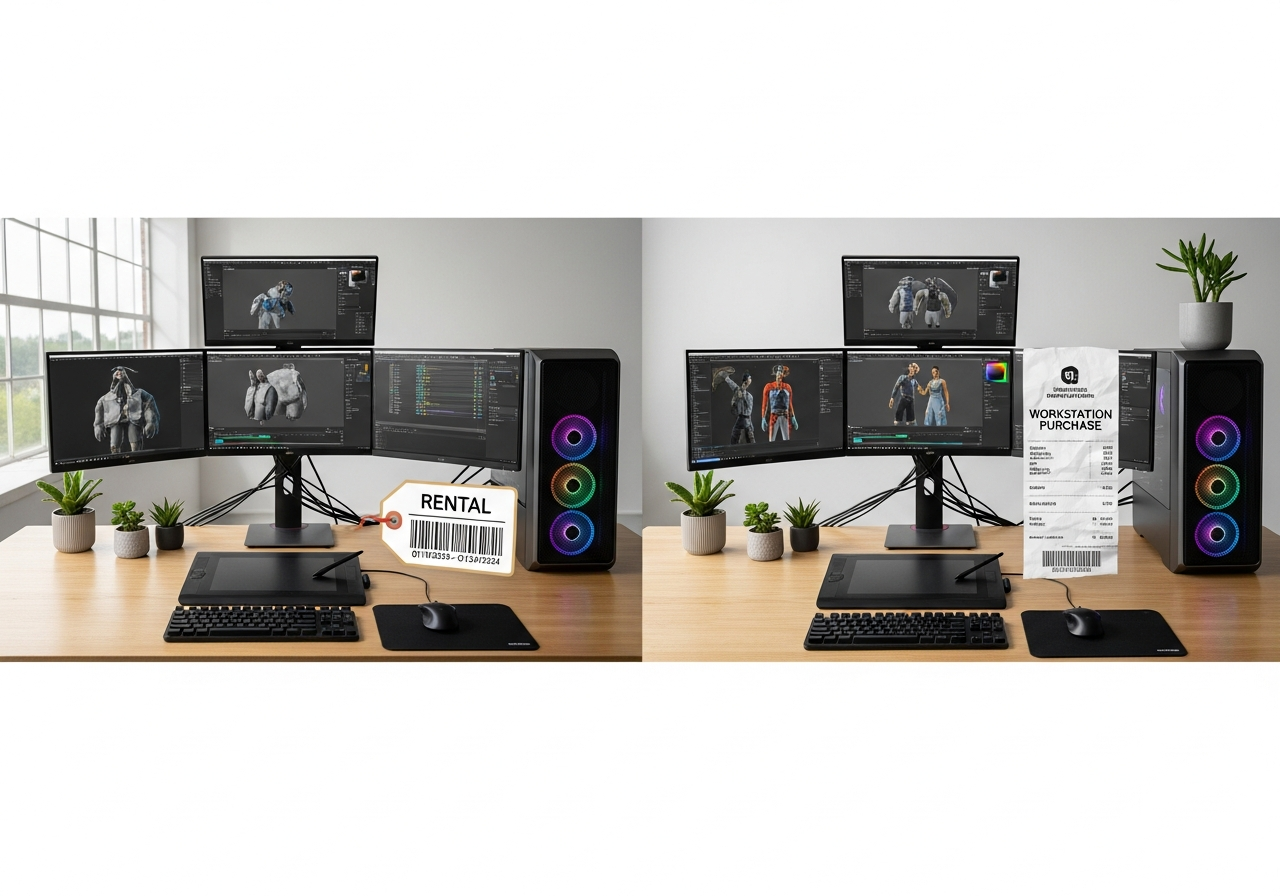
Cost Comparison of Renting vs Buying Hardware for 3D Animation Courses
Calgary’s 3D animation students face a critical hardware decision that can make or break their learning experience and budget. Whether you’re enrolled in SAIT’s Digital Media and IT program, attending a private animation bootcamp, or pursuing self-directed learning, the choice between renting high-performance workstations or buying your own equipment directly impacts both your immediate cash flow and long-term educational investment. Course durations in Calgary range from intensive 12-week programs to multi-year diplomas, creating vastly different hardware utilization patterns that favor different financial approaches.

Understanding Studio NDA Policies During VFX Student Internships
Canada’s visual effects industry offers some of the most competitive internship programs in the world, with prestigious studios like Sony Pictures Imageworks, Company 3, and dozens of other production houses providing hands-on experience to aspiring VFX professionals. These programs typically require proof of work authorization and often involve working on high-profile projects for major film studios, streaming platforms, and gaming companies. However, what many students don’t fully grasp until they’re signing paperwork on their first day is how extensively non-disclosure agreements shape every aspect of their internship experience.